A.S. Roma embodies the spirit of Rome through its rich heritage, passionate supporters, and ambitions for a prosperous future, blending tradition with modern football dynamics.
Founded in 1927 through the unification of three smaller Roman football clubs, Associazione Sportiva Roma (A.S. Roma) was created with the ambition of establishing a footballing powerhouse in Italy’s capital. The merger, led by Italo Foschi, aimed to challenge the supremacy of Northern Italian teams while building a team that would embody the spirit and essence of Rome. Over the years, Roma has become a vital part of the city’s identity, reflecting the strength, passion, and pride of its citizens.
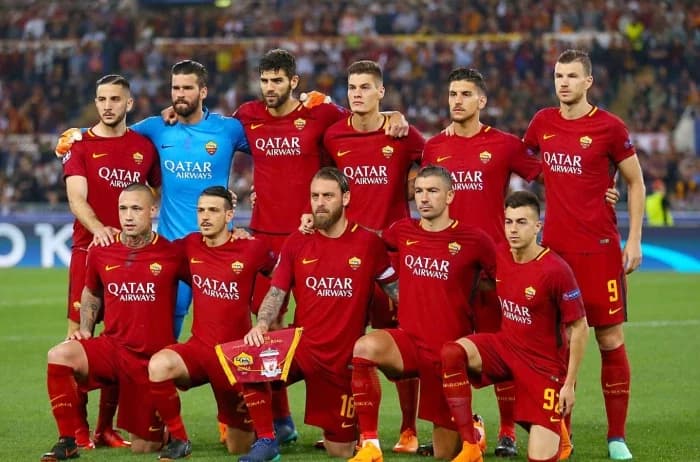
The distinctive colors of Roma, carmine red and golden yellow, hold significant meaning. Drawing inspiration from Roman imperial banners, these shades symbolize the club's cultural heritage in the Eternal City and its quest for excellence. Combined with the legendary she-wolf emblem, these colors link the team to the myth of Rome's founding by Romulus and Remus, further intertwining Roma’s identity with the historical essence of the city.
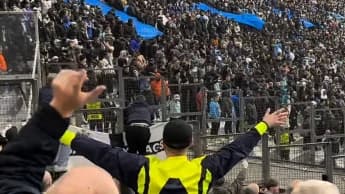
Since 1953, the Stadio Olimpico has served as the home ground for Roma, witnessing countless unforgettable victories and fierce contests. The stadium, which is shared with Lazio, is the venue for the Derby della Capitale, recognized as one of the most intense rivalries in football. Beyond the games, Roma's fanbase is celebrated for its passionate displays and unwavering loyalty, fostering an unbreakable connection with the team, making Roma more than just a club—it embodies a true family.
Club Accomplishments
Throughout nearly a century of football, Roma has established a remarkable legacy, clinching three Serie A titles. Their inaugural scudetto was achieved in the 1941–42 season under the guidance of Alfréd Schaffer, with Amedeo Amadei contributing significantly with 18 goals. The second victory in the 1982–83 season under Nils Liedholm marked the end of a 41-year drought and heralded a golden period for the club. The third title, won in 2000–01, is fondly remembered, with legends Francesco Totti, Gabriel Batistuta, and Vincenzo Montella playing pivotal roles in leading Roma to triumph under Fabio Capello.
On the domestic front, Roma has achieved a total of nine Coppa Italia titles, starting with their inaugural victory in 1964 and culminating with their latest triumph in 2008. Furthermore, the club has won two Supercoppa Italiana titles. These successes underscore Roma's ability to remain competitive for trophies, even during more difficult times.
On an international level, Roma has experienced both victories and near misses. The club claimed its first European title in 1961 by winning the Inter-Cities Fairs Cup against Birmingham City. In 2022, Roma marked a significant achievement by securing the inaugural UEFA Conference League under the management of José Mourinho. Although the pain of defeats in the 1984 European Cup and recent Europa League finals remains, these moments highlight Roma's resilience and their ambition to ascend to the heights of European football.
Strengths & Challenges
A.S. Roma currently demonstrates notable strengths in its tactical flexibility, passionate leadership, and the combination of seasoned stars alongside emerging talent. The team showcases remarkable skill in vital areas, with players such as Paulo Dybala and Lorenzo Pellegrini offering both creativity and leadership. Furthermore, under José Mourinho's guidance, Roma has adopted a pragmatic style of play that emphasizes discipline and strategic foresight, particularly in high-pressure situations.
Despite their strengths, the team encounters obstacles that impede consistent performances in the league. Defensive weaknesses, especially when facing top-tier opponents, are a significant issue. Although Roma excels in counter-attacking situations, their lack of defensive structure can make them susceptible during critical moments. Additionally, injuries to key personnel often derail the team's progress, underscoring the necessity for enhanced depth and resilience within the squad.
In order to reach their maximum potential, Roma needs to tackle these weaknesses by enhancing their defensive line, increasing the depth of their squad, and improving their possession play. By making these changes, Roma could establish themselves as a regular competitor for the top titles in Serie A and beyond.
Tactics and Playing Style
The tactical approach of A.S. Roma combines traditional Italian defensive discipline with contemporary attacking flair. Under the leadership of José Mourinho, the team has embraced a pragmatic style, placing a strong emphasis on defensive strength and taking advantage of counter-attacks. This methodology proved especially successful during their triumph in the UEFA Conference League, where effective tactics allowed them to outmaneuver more formidable opponents.
Creativity in midfield is crucial to Roma's style of play. Key player Lorenzo Pellegrini sets the rhythm of the match, delivering precise passes and executing set pieces effectively. The wingbacks frequently advance high up the pitch to provide width, enabling Roma to stretch the opposing defenses and open up avenues for attackers such as Paulo Dybala. This strategy of quick transitions allows Roma to take advantage of any disorganization in the defenses of their opponents.
Alongside their tactical adaptability, Roma has gained a reputation for their resilience in crucial matches. Whether they are implementing a high-press strategy or retreating to absorb pressure, the team adjusts to various situations effectively. This ability to adapt, paired with Mourinho’s tactical acumen, positions Roma as a strong contender in both domestic leagues and European tournaments.
Memorable Matches
The 1982–83 Serie A title-winning season for Roma marks a significant milestone in the club's history. It concluded with a 3–1 win over Genoa, finally clinching the much-anticipated scudetto. With legendary players such as Roberto Pruzzo and Bruno Conti at the helm, this victory sparked widespread celebrations throughout Rome, solidifying the team's legacy.
A significant moment in Roma's history occurred during the 1984 European Cup final against Liverpool, which took place at the Stadio Olimpico. Despite Roma losing in the penalty shootout, their remarkable path to the final highlighted their rise as a formidable presence in European football. This match remains a poignant memory, representing both Roma's aspirations and their ability to compete with the top clubs in Europe.
The 2000–01 Serie A triumph, marking Roma's third scudetto, is also recognized as a significant milestone. The title was clinched with a 3–1 victory against Parma on the final matchday, featuring goals from Totti, Batistuta, and Montella. This period signified the start of Totti's legacy as a club legend and reaffirmed Roma's reputation as a formidable force in Italian football.
Prospects for the Future
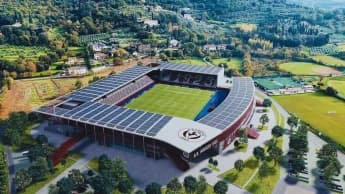
The development of a new, cutting-edge stadium marks a significant new chapter for Roma. This venue is designed to enhance the matchday experience, increase revenue, and position the club as a financial and competitive powerhouse within European football. This initiative reflects Roma's intention to modernize while preserving its rich heritage.
The development of youth remains a fundamental aspect of Roma's strategy. The club is dedicated to investing in its academy, fostering local talents who have the potential to emulate the successes of legends like Totti or De Rossi. This focus on cultivating young players guarantees a consistent flow of talent that resonates with Roma’s identity and long-term aspirations.
As they look to the future, Roma aims to consistently contend for titles in Serie A and European tournaments. With a talented roster, a forward-thinking management team, and the steadfast backing of their devoted fans, Roma is well-positioned to enhance their rich legacy and pursue greater achievements. The outlook is promising for the Giallorossi as they strive to contribute more chapters to their celebrated history.