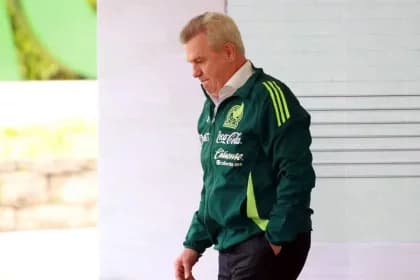
In the wake of a shocking on-field incident, Javier Aguirre's composure highlights the urgent need for enhanced security measures in football, as the sport grapples with the fine line between passion and violence.
The unpredictable essence of football transcends the field—a truth starkly illustrated during Mexico's dramatic Nations League quarter-final match against Honduras. Following a disappointing 2-0 loss in San Pedro Sula on Friday, seasoned coach Javier Aguirre, 65, faced an alarming incident after the match that brought to light renewed worries regarding spectator conduct in the sport.
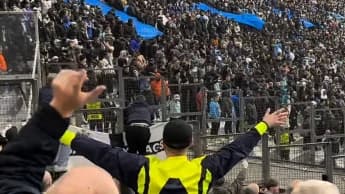
As the final whistle resonated through the electrified atmosphere of the General Francisco Morazán Stadium, Aguirre walked along the sideline, ready to greet his Honduran counterpart, Reinaldo Rueda. In a surprising incident, a projectile—a can—was thrown from the stands, hitting Aguirre on the top of his head. Blood quickly began to flow from the injury, serving as a stark reminder of the aggression that can surface in crucial matches within the region.
Demonstrating his usual poise in tough situations, Aguirre spoke to the media shortly after receiving medical care. “This is football, and there’s no use in bringing up the other matters because I’m not one to complain,” he stated, steering the conversation away from the incident. Nevertheless, his calm demeanor could not diminish the wider consequences for CONCACAF, which promptly issued a denunciation of the violent act.
In its announcement, CONCACAF highlighted, “The safety of teams and supporters is of utmost importance. Such acts of violence are unacceptable in football.” The confederation also stated that the incident would be forwarded to its Disciplinary Committee for a thorough review. The inquiry is expected to concentrate on pinpointing the individual responsible and evaluating possible repercussions for the management of the host venue.
This troubling incident arises at a pivotal moment for Aguirre, who took charge of Mexico's national team for the third time in July, following the sudden firing of Jaime Lozano after a disappointing early elimination from the Copa America. Aguirre boasts an extensive managerial background, marked by previous roles with Mexico and coaching in Spain's La Liga, known for his tactical brilliance and steadfast leadership.
Nonetheless, Aguirre's challenges go beyond the tactical skirmishes on the pitch. Games in certain regions of Central America are infamous for their unpredictable environments, where passionate support can occasionally escalate into hostility. The General Francisco Morazán Stadium, recognized for its enthusiastic home supporters, has experienced its fair share of high-pressure moments, but episodes of violence like this highlight the urgent need for strengthened safety protocols.
Although Aguirre chose to minimize the significance of the incident, the sight of a coach from the national team with injuries sparks discussions regarding necessary measures to avert similar situations in the future. CONCACAF's firm condemnation and commitment to disciplinary measures might indicate a shift towards stricter security protocols for events, in line with the international standards established by other governing bodies such as UEFA and FIFA, which impose severe penalties for misconduct by spectators.
The Mexican national team, celebrated for its dedicated supporters and rich legacy, has faced its fair share of tumultuous incidents both on and off the field. For Aguirre, a veteran who has weathered the highs and lows of the sport, this event contributes another chapter to his already distinguished career. As Mexico gears up for the second leg of this intense quarter-final match, attention will surely be divided between their performance on the pitch and the repercussions of this unsettling occurrence.
In the short term, Aguirre's recovery and leadership will be crucial as he motivates his team to react accordingly, aiming to reverse the deficit while upholding professionalism in the wake of the incident. Nevertheless, the larger concern regarding stadium safety will continue to face scrutiny, with
Javier Aguirre's fortitude in challenging circumstances highlights his character, while simultaneously emphasizing the critical necessity for improved security measures at high-stakes football events in the region. As Mexico aims to refocus on the game, this incident serves as a stark reminder of the dangers that can emerge when the fervor for football surpasses the limits of sportsmanship.