Founded in 1907, Como 1907 showcases a storied legacy of resilience in Italian football, blending community spirit with ambitious goals as they return to the elite ranks of Serie A.
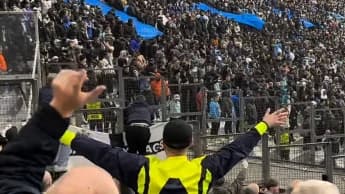
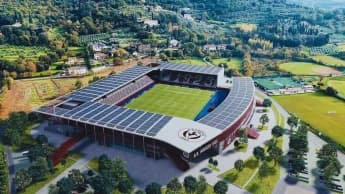
Established in 1907, Como 1907 exemplifies resilience and ambition within Italian football. Located in the beautiful town of Como in Lombardy, the club’s royal blue colors and the renowned Stadio Giuseppe Sinigaglia represent over a century of dedication and pride. With a legacy grounded in community spirit, the club continues to be a vital part of the region's sporting heritage.
Como started as a modest local football club but quickly rose to prominence within Italian football. In its early years, the team faced off against regional giants from Milan and Switzerland, establishing a competitive spirit that continues to thrive today. The Stadio Giuseppe Sinigaglia, which has been their home since 1928, lends a historical appeal to the club's identity.
The club has faced numerous challenges, including two instances of bankruptcy, yet it has consistently emerged from these setbacks even stronger. Renowned for their resilience and ability to reinvent themselves, Como exemplifies the hardworking spirit of Lombardy. The acquisition by the Hartono brothers in 2019 ushered in a new era of financial stability and ambition, signifying an important milestone in the club’s ongoing journey.
Today, Como embodies a spirit centered around community engagement, innovative leadership, and steadfast resolve. These attributes contribute to their distinct and esteemed presence in Italian football, garnering respect from both supporters and neutral observers.
Accomplishments of the Team
The history of Como in Italian football is filled with both achievements and obstacles. Their notable first success came in the 1930–31 season, when they secured promotion to Serie B under the management of Gedeon Lukács, concluding the season unbeaten and netting an impressive total of 90 goals across 32 matches.
During their golden era in the post-war years, the club achieved its first promotion to Serie A in 1949. Under the leadership of coach Mario Varglien, Como had a remarkable debut season, finishing sixth in the league while showcasing an entirely Italian squad that earned admiration throughout the nation.
Despite facing financial difficulties, Como has successfully risen to prominence on several occasions. After spending years in Serie C, the team made its return to Serie B in 1968 under the leadership of coach Franco Viviani, demonstrating their resilience. Their promotions from Serie D to Serie A in the 21st century illustrate their remarkable ability to rebuild despite significant challenges.
In 2024, Como reached a significant achievement by gaining promotion to Serie A for the first time in 21 years. This event marked the end of a journey driven by the strategic investments of the Hartono brothers, re-establishing the club among Italy's top football teams.
Strengths & Challenges
A significant advantage for Como is the financial support they receive from the Hartono brothers, who are the richest club owners in Italy. This financial strength enables them to invest in high-caliber talent and infrastructure, guaranteeing their long-term viability and competitiveness.
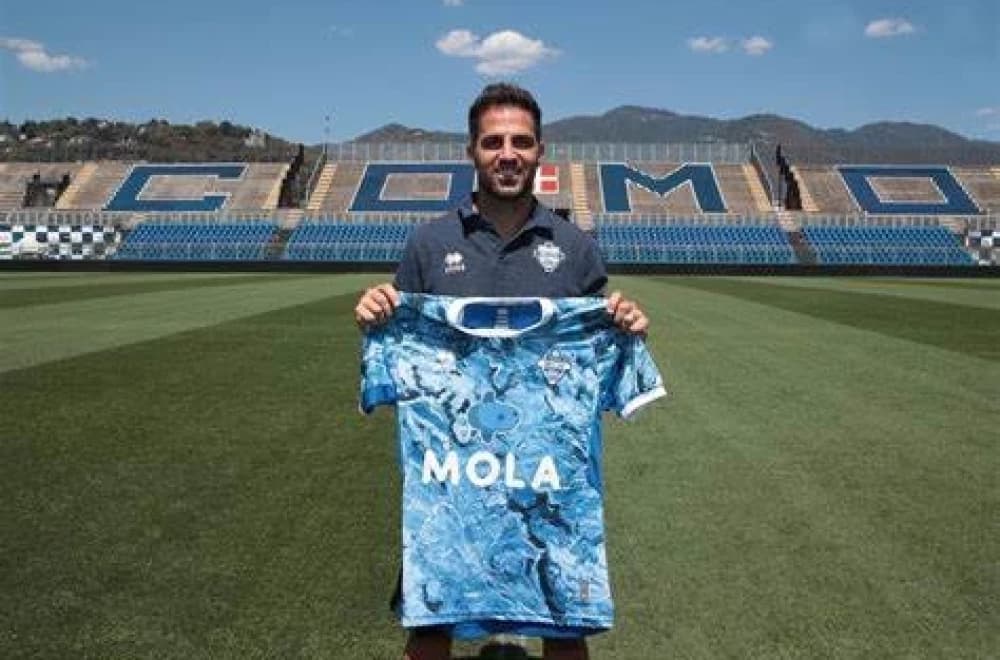
Another notable strength of the club lies in its youthful and vibrant squad. By combining talented local players with seasoned international athletes, Como has developed a well-rounded team capable of competing at the Serie A level. Their innovative spirit is exemplified by the appointment of Cesc Fàbregas as head coach, highlighting their forward-thinking strategy.
Nonetheless, Como encounters difficulties in adjusting to the demands of Serie A. Their recent lack of experience at the highest level may result in inconsistencies, particularly when facing more experienced rivals. Improving defensive stability and increasing depth in crucial positions are essential areas that require immediate focus.
Moreover, the challenge of competing in a league filled with well-established teams such as Juventus, Inter, and Milan may put the club’s resilience to the test. It will be essential for them to find the right balance between their aspirations and realistic expectations as they go through this demanding period.
Tactics & Style of Play
Como's tactical strategy focuses on a dynamic, possession-oriented style of play. Guided by Cesc Fàbregas, the team prioritizes midfield control, quick transitions, and creativity in the attacking phase. This methodology is indicative of contemporary trends in European football.
The team emphasizes a wide attacking approach, making use of speedy wingers to stretch the defenses of their opponents. This tactic not only generates opportunities for scoring but also offers flexibility in overcoming tightly organized defensive formations.
In defense, Como utilizes a high pressing strategy to interrupt the build-up play of their opponents. This proactive tactic enables the team to quickly recover possession and take advantage of turnovers. However, this approach demands disciplined positioning and physical endurance, which are aspects the team is still working to improve.
Set-piece strategies play a crucial role in their game plan, utilizing their physical strength and technical skills to turn dead-ball situations into scoring opportunities. Their meticulous execution in these situations has been essential in securing important points during key matches.
Memorable Matches
A pivotal moment in Como’s history took place during the 1930–31 season when the team secured promotion to Serie B without suffering a single defeat. This remarkable accomplishment positioned the club as a formidable competitor and set the stage for future achievements.
In 1949, Como's win in the Torneo Benefico Lombardo signified their resurgence after the war. Facing off against teams like Milan, Inter, and Novara, the club's success highlighted their capacity to recover from challenges and compete at the highest echelons of football.
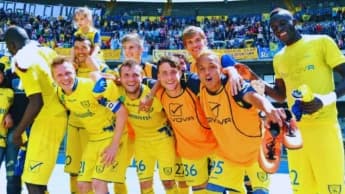
The 2023–24 Serie B season was marked by several pivotal matches for Como. Their crucial win against Parma in the closing weeks of the season clinched their promotion to Serie A, igniting celebrations throughout Lombardy and reaffirming their status as an emerging force in Italian football.
Another memorable match took place during the 1975-76 Serie A season, where Como faced a narrow defeat of 1-2 against Inter. Despite the loss, their determined performance against such a strong opponent showcased their capability to compete with the top teams in the league.
Prospects for the Future
The prospects for Como appear promising with the Hartono brothers at the helm. Their financial support enables the club to position itself as a formidable contender in Serie A. Making strategic investments in player acquisitions and infrastructure will be essential to realize this ambition.
Establishing a sustainable youth academy is essential for Como. By fostering local talent and incorporating them into the senior team, the club can create a solid base for future achievements. Their commitment to community engagement also deepens their connection with supporters and the local area.
Regarding their goals on the field, finishing in the mid-table during their inaugural Serie A season would represent a notable accomplishment. Over the next few years, aspiring to secure places for European competition is a feasible aim, considering their capabilities and aspirations.
With forward-thinking leadership, a dedicated fanbase, and a well-defined plan for the future, Como is ready to embark on a new chapter in its remarkable history. The club’s transformation from financial hardship to success in Serie A stands as an inspiring story of resilience and determination in contemporary football.