A.C. Fiorentina, a club that embodies Florence's artistic spirit and resilience, has forged an enduring legacy in football through passion, history, and a commitment to future prospects.
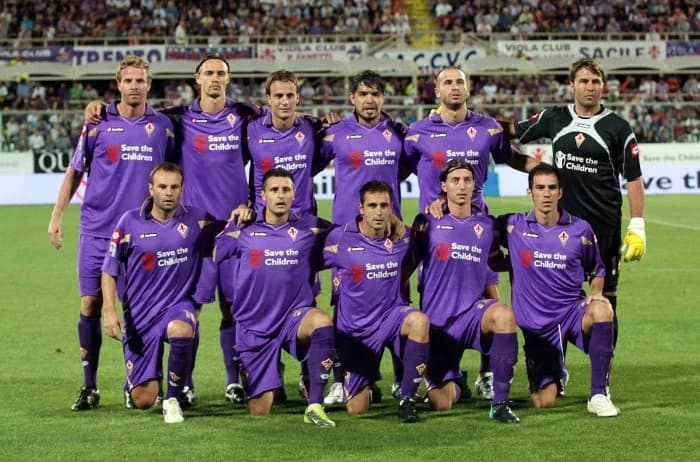
A.C. Fiorentina, lovingly referred to as La Viola for their distinctive purple uniforms, is more than just a football club; it embodies the essence and spirit of Florence, a city famous for its rich history, art, and fervor. Established on August 26, 1926, the club was born from the merger of Club Sportivo Firenze and Palestra Ginnastica Fiorentina Libertas, two local teams that aimed to combine their strengths to form a formidable contender in Italian football. This union was facilitated by the insightful Marquis Luigi Ridolfi Vay da Verrazzano, a devoted supporter of sports who significantly influenced the club's character and identity.
In its formative years, Fiorentina reflected Florence’s rich artistic legacy and the tenacity of its people, evolving from modest beginnings in local leagues to establish itself as one of the powerhouses of Italian football. The choice of purple as the club’s primary color in 1929—resulting from an unintentional dye incident—emerged as a significant emblem, striking a chord with supporters and securing for the team its lasting moniker.
Fiorentina's journey stands as a testament to the victory of passion in the face of adversity. The club swiftly earned acclaim for its flair and attacking style, captivating football fans throughout Italy and Europe. Over the years, La Viola has come to symbolize artistry on the field, embodying the creative spirit of Florence. With legendary players who have donned the jersey and unforgettable moments in both domestic and European competitions, Fiorentina has forged a legacy that is both inspiring and enduring.
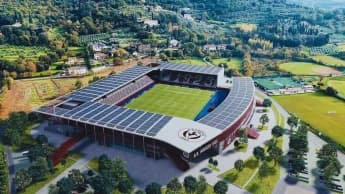
The Stadio Artemio Franchi, often regarded as the club's spiritual home, is situated in the Campo di Marte district of Florence and symbolizes the enduring legacy of La Viola. Designed by the esteemed architect Pier Luigi Nervi, this stadium is renowned for its innovative architecture and acts as a focal point for Fiorentina's fervent and dedicated fans, who generate an exhilarating atmosphere during each match.
Over the years, Fiorentina has encountered various obstacles, including relegation and financial challenges, yet their unyielding spirit has allowed them to rebound repeatedly. Each phase of the club's journey showcases its dedication to evolution while remaining faithful to its foundational values. Today, Fiorentina stands as a significant emblem of Florence, embodying the city’s rich history and steadfast love for football.
As Fiorentina progresses, their journey continues to be a story of resilience, ambition, and a deep connection between the club and its supporters, capturing the true spirit of what it means to be La Viola.
Team Accomplishments
Fiorentina boasts a rich history of achievements that underscore their influence on both Italian and European football. Their first significant victory occurred during the 1955–56 season when they secured their first Serie A title, finishing a remarkable 12 points ahead of the second-placed AC Milan. This achievement signaled the start of Fiorentina's golden era, during which the club consistently competed at the highest level, finishing as runners-up in Serie A for four consecutive seasons from 1957 to 1960.
Fiorentina made history on the European scene by becoming the first Italian club to reach the European Cup final in 1957. Although they did not succeed against the iconic Real Madrid, this milestone secured their position in the annals of continental football. In 1961, Fiorentina further enhanced their European standing by clinching the European Cup Winners’ Cup, triumphing over Rangers, which highlighted their increasing international stature.
In Italy, Fiorentina has claimed the esteemed Coppa Italia title six times, with victories that span several decades, beginning with their inaugural win in the 1939–40 season and culminating in their latest triumph in 2000–01. These achievements highlight the club’s capacity to compete across different generations. Notably, their 1966 Coppa Italia victory was significant as it came alongside their Mitropa Cup success in the same year, demonstrating their prowess beyond the borders of Italy.
Fiorentina secured their second Serie A championship in the 1968–69 season, confirming their status as a mainstay among Italy’s football elite. In spite of facing challenging times, the club has demonstrated incredible resilience, repeatedly securing their spot in the UEFA Cup and other European tournaments. Their ascent to the UEFA Cup final in 1990, although concluding with a loss to Juventus, marked another significant moment in the club's international adventures.
In recent years, Fiorentina has established itself as a formidable competitor, consistently finishing among the top teams in Serie A and achieving significant progress in European competitions. These accomplishments underscore their lasting reputation as one of Italy’s most beloved and respected football clubs.
Strengths & Weaknesses
Fiorentina has numerous strengths that position them as a competitive force in Italian football, yet they also have certain aspects that need enhancement to fully realize their potential.
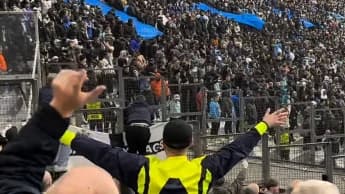
Fiorentina's rich history, combined with the unwavering passion of their dedicated supporters, creates an exhilarating environment at their home stadium, Stadio Artemio Franchi. This steadfast fan enthusiasm serves as an additional source of motivation for the players during critical matches. The club is well-known for developing young talents through its academy, producing players who shine both in national and international arenas. Fiorentina’s commitment to youth development guarantees a continuous flow of rising stars who can strengthen the squad or yield considerable transfer income.
Fiorentina has a long-standing tradition of playing a vibrant attacking game, often marked by rapid wing play and seamless passing sequences. This style not only captivates fans but also presents difficulties for opposing defenses. In recent times, Fiorentina has proven its capability to compete at the European level, demonstrating both determination and ambition. Their participation in international tournaments enhances their reputation and draws talented players to the club.
Although Fiorentina demonstrates moments of defensive excellence, they frequently struggle with consistency in their backline, resulting in critical mistakes during important matches. This weakness renders them vulnerable to counterattacks and set pieces. The squad tends to depend significantly on a select few standout players. When these pivotal athletes are sidelined due to injuries or suspensions, the team's performance levels tend to suffer.
Fiorentina has sometimes struggled with inconsistent performances, particularly when facing lower-ranked teams. This lack of stability affects their capacity to consistently compete for top honors.Although the starting lineup often displays impressive talent, the team's depth in certain areas becomes apparent over a long season, especially during multi-tournament commitments.In contrast to some of the wealthier clubs in Serie A, Fiorentina operates with a more restricted budget. This financial gap constrains their ability to attract high-profile players and retain their top talents when approached with lucrative offers from larger clubs.
Tactics & Playing Style
Fiorentina's tactical strategy and style of play successfully merge classic Italian defensive techniques with contemporary attacking dynamism. The team prioritizes ball possession to manage the game's pace, relying on their midfield to serve as the driving force for orchestrating play. This methodology enables Fiorentina to search for gaps and generate chances through deliberate buildup.
A vital aspect of their gameplay is dynamic wing play, where full-backs and wingers collaborate effectively to stretch the opposing defense. By sending crosses into the penalty area, they generate opportunities for their central strikers, especially when utilizing players known for their aerial prowess. Additionally, Fiorentina's style incorporates a high-pressing game that disrupts the rhythm of their opponents, compelling them to make mistakes. This assertive strategy is particularly successful in regaining possession in advanced zones, setting the stage for rapid counterattacking chances.
Fiorentina utilizes adaptable formations, often shifting between a 4-3-3 and a 3-5-2 alignment. The 4-3-3 setup provides equilibrium, incorporating attacking wingers and a central forward, supported by an energetic midfield trio. Meanwhile, the 3-5-2 formation offers defensive strength while enabling wing-backs to advance, providing width in offense without sacrificing defensive integrity. The midfield serves as the creative engine, orchestrating the game with accurate passes, effectively changing play, and delivering cutting through-balls to breach opposing defenses.
Fiorentina adopts a compact defensive structure, utilizing zonal marking during set pieces to reduce potential threats. Their capacity to make quick transitions from defense to attack provides them with a counterattacking advantage, leveraging the speed and agility of their forwards. Additionally, they excel in set-piece situations, employing well-practiced routines that enhance the effectiveness of their players who excel in aerial duels.
The team's dedication to incorporating young talents infuses energy and adaptability into their gameplay, frequently introducing a bold aspect to their pressing and transition strategies. Fiorentina showcases tactical versatility, modifying their tactics in response to the strengths and weaknesses of their opponents, whether they are taking a defensive approach against stronger teams or adopting a more aggressive style against weaker ones.
Fiorentina's tactical approach embodies their desire to blend the sophistication of Italian football with a contemporary and dynamic flair. Through organized defense, inventive midfield strategies, and a flexible mindset, they consistently seek to achieve success in Serie A and various European tournaments.
Memorable Matches
The history of Fiorentina is marked by a collection of memorable matches that have forged the team's character and left a lasting impact on its legacy. These moments showcase the club’s determination, ambition, and capacity to excel on the biggest stages, winning the admiration of their supporters and anchoring their status in the annals of Italian football.
One of the most iconic matches in Fiorentina's history took place during the 1955-56 season, which marked their inaugural campaign in pursuit of the Scudetto. A critical victory against AC Milan highlighted the team's strength, as they triumphed with a commanding 4-1 scoreline, demonstrating their dominance over a long-standing football powerhouse. This match not only represented their ascent to significance but also reinforced their standing as a formidable contender in Serie A.
The 1960-61 European Cup Winners' Cup Final against Rangers stands out as a significant chapter in Fiorentina’s history. Across two matches, the team showcased extraordinary talent and composure, securing a 4-1 aggregate victory over the Scottish club to claim their first European trophy. This achievement established Fiorentina as trailblazers in Italian football, marking them as the first Italian club to win a major European title.
The 1996-97 Coppa Italia final against Atalanta showcased Fiorentina's skill and tenacity. The iconic striker Gabriel Batistuta played a pivotal role, scoring key goals that helped secure a 3-0 aggregate win. This achievement not only refreshed the club’s trophy collection but also reaffirmed their status among Italy’s top football teams.
In recent times, Fiorentina's sensational 4-2 win over Juventus during the 2013-14 Serie A season is firmly etched in the memories of their supporters. After falling behind 2-0 at halftime, the team staged an incredible comeback, highlighted by a hat-trick from Giuseppe Rossi. This match embodied Fiorentina’s fighting spirit and their ability to overcome adversity, particularly against their longstanding rivals.
Another memorable event occurred during the 2008 UEFA Cup when Fiorentina faced Everton. After securing a hard-fought 2-0 win in Florence, they encountered a daunting second leg at Goodison Park. Although they suffered a 2-0 defeat in normal time, the team exhibited incredible composure during the penalty shootout, successfully progressing to the next round. This match highlighted the squad’s resilience and their ability to succeed under pressure.
The historic matches of Fiorentina are more than just games; they represent crucial moments that highlight the club's dedication, strength, and steadfast pursuit of excellence. These significant encounters have played a vital role in shaping the identity of the Viola, ensuring that their legacy continues to be remembered in the history of football.
Upcoming Opportunities
The future outlook for Fiorentina appears bright, fueled by a mix of tradition, ambition, and a progressive approach to football. The club's leadership has demonstrated a renewed commitment to establishing a sustainable framework that emphasizes talent development, tactical advancement, and financial health, which are all crucial for competing at the highest levels in both domestic and international arenas.
A crucial element of Fiorentina’s future is their focus on youth development. The club's academy is consistently producing gifted players who have the potential to influence the team's future. By fostering local talent and incorporating them into the first team, Fiorentina guarantees a continuous flow of skilled athletes while preserving its distinct identity. The emergence of young stars in recent years underscores the success of this approach and inspires optimism for a promising future.
The strategic acquisition of players has become a fundamental aspect of Fiorentina’s plans. By scouting and integrating lesser-known talents alongside seasoned professionals, the team seeks to achieve a harmonious blend of youth and experience. This strategy not only enhances the squad's overall strength but also positions Fiorentina as a formidable competitor in both Serie A and European tournaments.
Tactically, Fiorentina's flexibility and modern playing style lay a strong groundwork for their future achievements. Their capability to merge attacking flair with defensive strength has played a crucial role in their recent performances. It is essential for them to build on this tactical identity and encourage innovation in their strategies as they seek to compete for higher standings in the league and pursue trophies.
Fiorentina's international aspirations are pivotal for its future. The club aims to reinstate itself as a consistent contender in European competitions, leveraging these opportunities to elevate its standing and draw in top talent. Regular involvement in UEFA tournaments is expected to enhance the team's visibility while offering invaluable experience to its younger players.
Beyond the pitch, Fiorentina is focused on enhancing its infrastructure, with initiatives including the development of a state-of-the-art training facility and upgrades to the Stadio Artemio Franchi. These enhancements reflect the club's long-term aspirations, aimed at fostering an environment that promotes excellence and boosts fan engagement, both vital for ongoing progress.
As Fiorentina moves forward in the competitive realm of contemporary football, the club's strength, historical importance, and dedicated supporters will continue to be fundamental influences. With a well-defined strategy and a strong commitment to excellence, the future appears promising for La Viola as they aim to regain their spot among the top tiers of Italian and European football.