Discover how FC Barcelona has blossomed from a small club to a global footballing giant, intertwining cultural significance, innovative tactics, and a commitment to youth development.
Founded in 1899 by Joan Gamper and a group of football enthusiasts, FC Barcelona started as a modest football club in Catalonia, Spain. Over the years, it transformed into one of the most legendary and successful football clubs in the world. Affectionately called Barça, the club represents the Catalan spirit of determination and pride, reflected in its motto 'Més que un club' ('More than a club'). In its early days, Barça participated in regional competitions, but it soon rose to prominence. The club emerged as a symbol of Catalan identity, particularly during challenging political times in Spain. As the team excelled on the pitch, its stadium served as a refuge for fans expressing their cultural and political aspirations.
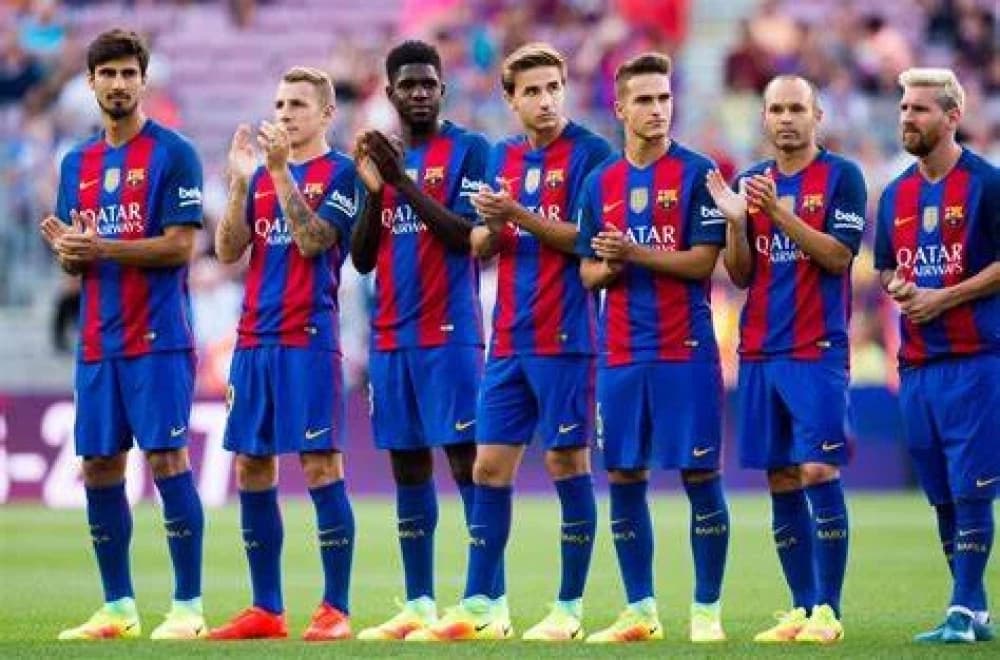
The narrative of Barça is deeply intertwined with its significance in Catalan culture. More than just a football team, it embodies ideals of freedom, democracy, and unity, drawing in a worldwide supporter base that resonates with these principles. The club's distinctive blue and red colors represent a fusion of fervor and allegiance, reflecting a core theme inherent in the essence of the club.
Currently, FC Barcelona is a symbol of footballing brilliance, cultural importance, and innovation, firmly established in its local community while also enjoying a global presence.
Accomplishments of the Team
The trophy collection of Barcelona illustrates its longstanding supremacy in global football. The club has achieved 27 La Liga championships, 31 Copa del Rey titles, and five UEFA Champions League victories, including the remarkable sextuple in 2009, which made them the first team to complete such a milestone. Additionally, the club has shone in international competitions, securing three FIFA Club World Cups and four UEFA Super Cups. In the early 1900s, Barcelona was dominant in events like the Pyrenees Cup, establishing the groundwork for its international acclaim.
The achievements of Barcelona extend far beyond the trophies they have won. The club's prestigious La Masia academy has produced extraordinary talents such as Lionel Messi, Xavi, and Iniesta, highlighting their impact on football philosophy. These icons have shattered records and transformed the sport with their exceptional skills and insights. Their contributions surpass mere accolades; Barcelona has redefined contemporary football with a distinctive style of play, establishing themselves not only as champions but also as pioneers in the game.
Strengths & Weaknesses:
FC Barcelona is renowned for its unparalleled commitment to youth development, with La Masia being the breeding ground for some of the most legendary players in football history. The club's dedication to possession-based football and technical proficiency is a fundamental aspect of its success. Furthermore, a vast global fanbase and innovative marketing techniques contribute to the club's financial strength.
However, in recent years, certain weaknesses have come to light. Financial challenges stemming from mismanagement and costly player acquisitions have put a strain on resources. Moreover, the team has faced difficulties in maintaining defensive consistency and adjusting to the physical demands of contemporary football.
At times, their dependence on the exceptional talent of individual players can leave them vulnerable to strategically disciplined opponents. In addition, the ongoing changes in management have disrupted their cohesion, making it challenging to implement effective long-term plans.
Steps are being taken to tackle these shortcomings; however, these difficulties emphasize the importance of a balanced strategy to maintain their achievements.
Tactics & Style of Play
The tactical identity of Barcelona is closely linked to the principles of Johan Cruyff, which were further developed under the management of Pep Guardiola. Their distinctive tiki-taka style, noted for its short passing, spatial awareness, and aggressive pressing, has marked a period of significant success.
The approach emphasizes maintaining possession of the ball, with players exhibiting calmness even in high-pressure situations. The midfield, frequently controlled by skilled playmakers such as Xavi and Iniesta, sets the pace of the game, while the forwards capitalize on openings with precise execution.
Under the current leadership, Barcelona seeks to merge its traditional playing style with contemporary tactical adaptability. Their strategy incorporates high pressing and quick transitions, enhancing their possession-based approach and allowing them to adjust to the changing landscape of football. Although their methods have progressed, the focus on creativity and technical skill remains strong, ensuring that their core identity is maintained in every match.
Memorable Matches
2009 UEFA Champions League Final: Barcelona achieved a 2-0 win against Manchester United in Rome, showcasing their tiki-taka style and clinching the remarkable sextuple.
2010 El Clásico: The remarkable 5-0 victory over Real Madrid at Camp Nou marked a definitive display of dominance during Guardiola’s time as coach.
1992 European Cup Final: A legendary free-kick from Ronald Koeman secured Barcelona's first European Cup title, signifying the beginning of their dominance on the continental stage.
2017 PSG Comeback: After losing the first leg 4-0, Barcelona achieved a stunning 6-1 victory at Camp Nou, demonstrating their determination and attacking prowess.
Future Outlook
The future of Barcelona relies on finding a balance between their rich heritage and the requirements of contemporary football. The club is investing in its facilities, including renovations to Camp Nou, to improve the experiences of fans and boost revenue. The rise of young talents such as Pedri, Gavi, and Alejandro Balde indicates a bright future for the club. These emerging players, along with strategic acquisitions, aim to bring Barcelona back to the forefront of European football.
Recovering financially is a top priority, with efforts aimed at stabilizing debt and managing expenditures more effectively. Furthermore, the club's dedication to sustainability and digital advancement helps ensure it remains competitive. As they look toward the future, FC Barcelona is unwavering in its commitment to uphold its values, inspire future generations, and maintain its legacy as 'Més que un club.'