
Founded in 1899, Werder Bremen stands as a celebrated football club in Germany, known for its rich history, passionate fanbase, and ambition to reclaim its status in European competitions.
Founded on February 4, 1899, Werder Bremen is one of the most esteemed football clubs in Germany, located in the Free Hanseatic City of Bremen. The name 'Werder' comes from the German word for 'river peninsula,' highlighting its roots in the riverside fields of the city. The club is celebrated for its rich history in German football, competing in the Bundesliga, the country’s premier league. They hold the record for the most seasons played in the Bundesliga alongside Bayern Munich, securing their status as a notable competitor in the league. The club’s culture is intricately woven into the community of northern Germany, enjoying robust local support and maintaining a historic rivalry with Hamburger SV from Hamburg, famously known as the Nordderby.
Their journey has been characterized by significant periods of success and a relentless pursuit of excellence. Renowned for their devoted fanbase and a strong focus on player development, Werder has also expanded into other sports such as athletics and baseball, highlighting their comprehensive dedication to sporting excellence. Their enduring participation in the Bundesliga is a clear indication of their ongoing competitiveness and cultural significance within German football.
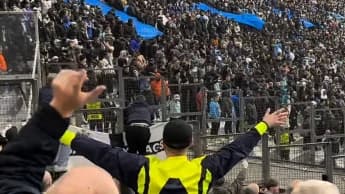
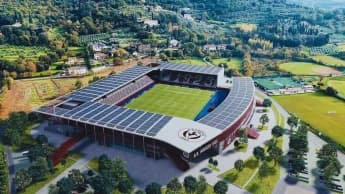
Weserstadion, their iconic home ground since 1909, represents the unity and fervor of the club. With a seating capacity exceeding 40,000, it remains a lively venue for their heritage. Throughout the years, Werder has not only played a significant role in the success of German football but has also been crucial in the development of regional sports culture, establishing Bremen as a genuine sports city. The club's ability to maintain its relevance despite the emergence of other German giants such as Bayern Munich and Borussia Dortmund showcases their steadfast resilience and deep passion for the sport.
Werder Bremen's journey in football has been marked by a mix of triumphs and challenges. However, their deep-rooted values of teamwork, perseverance, and loyalty have ensured their relevance for over a hundred years. Currently, they are a club brimming with ambition, eager to expand their impressive legacy while upholding their identity as a club for the community. Their rich heritage serves as a foundation that continues to motivate new generations of fans.
Club Accomplishments
The illustrious history of Werder Bremen is marked by a range of notable trophies and achievements that have defined their status as one of Germany's premier football clubs. Their inaugural major trophy was the 1960–61 DFB-Pokal, a significant milestone that set the stage for further accomplishments in subsequent years. Werder has claimed the German championship on four occasions, with their latest title coming in the 2003–04 season, when they achieved the remarkable feat of winning both the Bundesliga and the DFB-Pokal in the same year. This extraordinary achievement highlighted their supremacy in German football during that time.
Apart from their victories in the league, Werder Bremen has also experienced significant success in domestic cups, having lifted the DFB-Pokal on six occasions. Their last triumph in the cup came in the 2008–09 season, which signified the conclusion of a notable period of dominance in domestic competitions. Furthermore, the team has secured the DFL-Supercup three times, solidifying their status as reliable competitors in Germany’s most prestigious tournaments. Their ability to excel across various competitions has garnered them respect both at home and on the international stage.
Werder Bremen's achievements in European competitions are noteworthy as well. In 1992, they claimed victory in the European Cup Winners’ Cup, a significant milestone that showcased their prowess against some of Europe’s top teams. Additionally, they finished as runners-up in the UEFA Cup, now known as the Europa League, during the 2008–09 season, reinforcing their presence on the European scene. These international endeavors represent a proud segment of Werder Bremen's legacy, highlighting their capability to compete at the highest levels within both domestic and European tournaments.
Werder Bremen’s remarkable legacy is underscored by their ongoing success in German football and their competitiveness on the European stage. These accomplishments serve as an inspiration for future generations of players and supporters, ensuring the club's prominent place in the history of German football.
Strengths and Weaknesses
Werder Bremen possesses significant potential, but like many football clubs, they have both strengths and areas that require improvement. A major strength lies in their longstanding tradition of developing homegrown talent and seamlessly incorporating it into the first team. This capability to cultivate young players has enabled them to remain competitive in a constantly evolving football environment. Additionally, the club's devoted fanbase serves as a considerable asset, transforming the Weserstadion into a stronghold where opponents have traditionally found it challenging to secure victories.
Despite their strengths, Werder has faced challenges with consistency in recent years, especially in the Bundesliga. Their difficulty in sustaining high-level performances throughout an entire season has sometimes made them susceptible in a league led by Bayern Munich and Borussia Dortmund. There have been times of underachievement, particularly following their last significant successes in the 2000s, resulting in occasional relegations and close calls with relegation zones. This inconsistency presents a major obstacle for the club, as they strive to balance their ambitions with the harsh realities of competing against financially powerful clubs in German football.
Werder has frequently faced criticism for a lack of defensive solidity necessary to compete against the top teams in the league. Although they can display a balanced and effective attack, their weak defensive unit has occasionally led to failures in crucial matches. The current squad is still working on establishing a solid backline capable of handling the demands of the Bundesliga and international play. Addressing this concern is essential for the club to regain its past levels of success.
One of the drawbacks they face is their financial situation. Although Werder Bremen boasts a rich history, it does not rank among the wealthiest clubs in Germany. Competing against teams like Bayern Munich, which benefits from substantial financial resources enabling frequent investment in premium talent, is a significant challenge for Werder. Nevertheless, their ability to withstand challenges has allowed them to remain competitive in the Bundesliga, and with prudent management, they can continue to exceed expectations.
Tactics & Playing Style
Werder Bremen's tactical strategy has consistently revolved around a combination of attacking play and solid defensive structure. Traditionally, the team has been recognized for its quick, counter-attacking style, leveraging the wings to widen the playing field and take advantage of the opposition's weaknesses. This approach fits their forward players, who look to capitalize on gaps with swift transitions from defense to offense. However, in recent seasons, they have adopted a more possession-oriented style, emphasizing control over the match through dominance in midfield.
In recent times, Werder has adopted a more adaptable tactical framework under their latest managers, modifying their formation according to the opponent and the specific dynamics of each match. The team frequently utilizes a 4-3-3 or 4-2-3-1 configuration, prioritizing fluidity in their offensive efforts. Wing play remains fundamental to their attacking approach, with full-backs advancing high on the pitch to aid wingers and generate numerical advantages. This attacking tactic is supported by a midfield that aims to connect play, providing assistance to both the defense and the attacking players.
In recent seasons, Werder has faced difficulties in their defensive approach, frequently employing a high pressing strategy that, while effective in some situations, can leave them open to counter-attacks from faster and more skilled opponents. The pairing of their central defenders is vital, as it is essential for them to maintain stability and organization to thwart any attempts from the opposition to exploit vulnerabilities. Moreover, the team needs to enhance their capability to transition seamlessly from offense to defense, striving for a balance between ambition and caution, particularly during away matches.
As the club progresses, Werder's tactical approach is expected to focus on enhancing their defensive strength while preserving the attacking creativity that has defined their success. By achieving the right equilibrium, Werder can strive to compete with the leading teams in the league once more.
Memorable Matches
Over the years, Werder Bremen has participated in numerous memorable matches that have shaped the club's history. A notable encounter was the 1992 European Cup Winners' Cup final, where they triumphed over AS Monaco to secure their first major European championship. This victory heralded a golden era for Werder, solidifying their status as a formidable presence on the European stage. The match exemplified the club's determination and capacity to excel in high-pressure situations, with their tactical discipline and precise finishing leading to a landmark victory.
Another memorable match occurred during the 2003–04 Bundesliga season when Werder accomplished the impressive feat of clinching the double. On the last day of the league season, Werder triumphed over Bayer Leverkusen to claim the Bundesliga title, quickly following it up with a DFB-Pokal victory. These two achievements represented Werder’s pinnacle as one of the leading teams in German football in the early 2000s, marking this season as a crucial chapter in the club’s history.
The 2008–09 UEFA Cup campaign is particularly memorable, as Werder advanced to the final, where they faced a narrow defeat against Shakhtar Donetsk. In spite of this loss, their path to the final featured exhilarating victories, including a thrilling semi-final triumph over Hamburg. This journey highlighted Werder's ability to compete against Europe's elite teams, reinforcing their status as a formidable contender on the international stage.
Furthermore, the club's fierce rivalry with Hamburger SV has led to numerous unforgettable matches. The Nordderby, recognized as one of Germany's most intense rivalries, has seen Werder triumph in several key encounters. These matches are always filled with passion, reflecting the pride of northern German football and the intense competition that exists between the two teams.
Looking Ahead
The outlook for Werder Bremen is bright, emphasizing the importance of youth development and a strategic rebuilding process. Following several seasons of inconsistent performance, the club's leadership is dedicated to forming a sustainable and competitive team capable of vying for both domestic and international titles. Their youth academy, known for producing players who have moved on to play for Werder as well as other leading clubs, will remain integral to their future plans. This emphasis on nurturing young talent not only enhances the team but also preserves Werder’s footballing philosophy for future generations.
The club aims to re-establish itself as a regular contender in European competitions. Their performances in domestic cups and the Bundesliga have demonstrated their potential for success. With appropriate investments in squad depth and strategic tactics, Werder could soon find themselves back in the Champions League. Maintaining their position in the upper tier of the Bundesliga is crucial for their development, as consistent success in the league will open more opportunities in Europe.
Away from the pitch, Werder Bremen is focused on enhancing their financial stability by forming strategic partnerships, securing sponsorship agreements, and upgrading their infrastructure. Their home ground, Weserstadion, remains a vital asset and plays a key role in their future growth plans. By modernizing facilities and increasing fan involvement, the club aims to ensure its long-term sustainability, allowing them to remain competitive in a constantly changing football environment.
In the coming years, the combination of tradition, ambition, and development at Werder Bremen could lead to a revival in both national and European football. Their deep-rooted history and enthusiastic supporters will be crucial elements in their pursuit of future success. Should this positive momentum be sustained, Werder Bremen has the capability to once again compete for significant titles and solidify their status as one of the prominent clubs in German football.